

Solar Battery Storage
Store your solar energy and use it when you need it most. 2026 costs, top brands compared, smart tariff strategies, and whether a battery is worth the investment for your home.
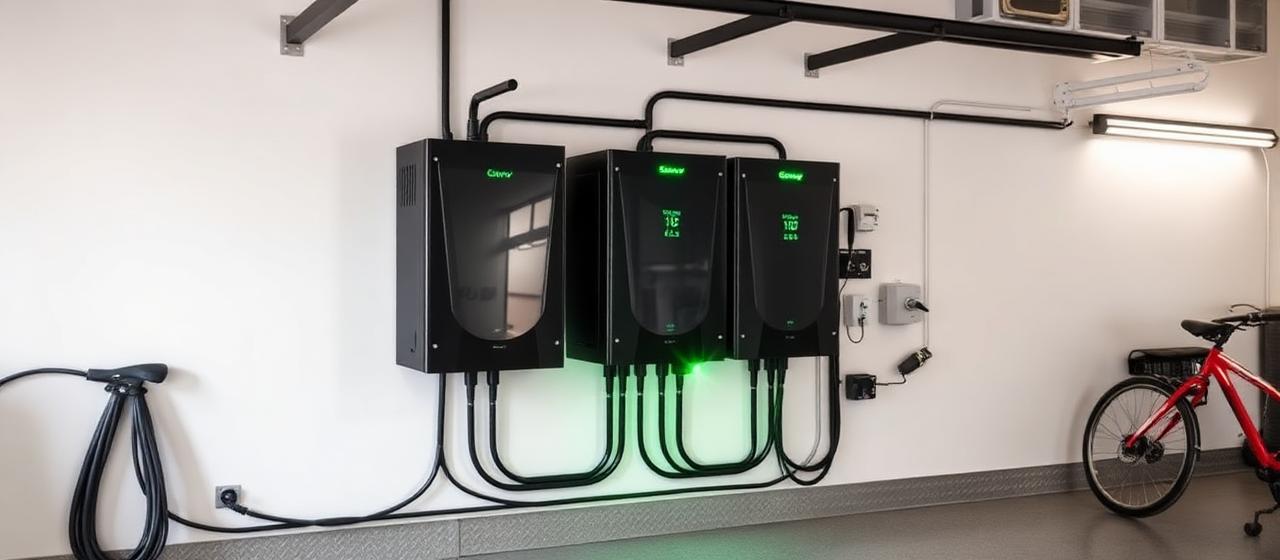
How does battery storage work?
A solar battery stores excess electricity generated by your panels during the day so you can use it in the evening, overnight, or on cloudy days — when your panels aren't generating enough to meet demand.
Without a battery, you'll typically use only 30–50% of the solar energy you generate. The rest is exported to the grid, where you're paid just 4–15p per kWh via the Smart Export Guarantee. With a battery, self-consumption rises to 70–90%, meaning you avoid buying grid electricity at 24–28p per kWh — a significantly better return.

Battery costs in 2026
Battery prices have fallen significantly over the past two years. When added alongside a new solar installation, costs are even lower due to shared labour and wiring. All installations benefit from 0% VAT until at least 2027, saving you hundreds of pounds.
- 5 kWh battery: £3,500–£5,000 retrofit | £1,800–£2,800 with new solar install
- 6–7 kWh battery: £4,000–£5,500 retrofit | £2,000–£3,000 with new solar install
- 9–10 kWh battery: £4,500–£9,500 retrofit | £3,500–£4,500 with new solar install
- Tesla Powerwall (13.5 kWh): £8,000–£9,000 fully installed
- GivEnergy (9.5 kWh): £4,500–£5,500 fully installed
- Fox ESS (5.2–10.4 kWh): £3,500–£6,000 fully installed
How much more will I save with a battery?
Adding a battery to a solar panel system typically saves an additional £300–£800 per year, depending on your battery size, electricity usage patterns, and whether you use a smart tariff.
The biggest savings come from shifting your electricity usage to stored solar energy during expensive evening peak hours (4–9pm), when grid prices are highest. For a typical 4 kW solar system with a 9.5 kWh battery, total annual savings rise from around £500–£900 (panels only) to £800–£1,500.
- 4 kW solar panels only: save £500–£900 per year
- 4 kW solar + 5 kWh battery: save £700–£1,100 per year
- 4 kW solar + 9.5 kWh battery: save £800–£1,500 per year
- With smart tariff optimisation: save up to £1,800+ per year
- Typical battery payback period: 5–8 years
Smart tariffs and battery optimisation
One of the biggest advantages of a modern battery system is the ability to take advantage of smart energy tariffs. Tariffs like Octopus Agile, Intelligent Octopus Go, and E.ON Next offer cheap overnight electricity rates (as low as 7–10p per kWh) that you can use to charge your battery, then use that stored energy during expensive peak hours.
Some battery systems — including GivEnergy and Tesla Powerwall — have built-in smart features that automatically optimise charging and discharging based on your tariff, solar generation, and usage patterns. This 'intelligent' approach can add £200–£500 per year in additional savings beyond basic solar + battery setups.
Popular battery brands compared
We work with the UK's most trusted battery manufacturers. Here's how the leading options compare:
- Tesla Powerwall (13.5 kWh) — premium all-in-one system with backup power, excellent app, 10-year warranty
- GivEnergy (2.6–9.5 kWh) — UK's most popular battery, modular and expandable, excellent smart tariff integration, 12-year warranty
- Fox ESS (5.2–10.4 kWh) — strong value for money, hybrid inverter included, 10-year warranty
- Pylontech (3.6–14.4 kWh) — modular lithium iron phosphate, budget-friendly, stackable, 10-year warranty
- SolaX (5.8–11.6 kWh) — reliable hybrid system, good app monitoring, 10-year warranty
What size battery do I need?
The right battery size depends on your solar system output, electricity usage pattern, and budget. A general rule: your battery should be large enough to store the excess solar energy generated during the day for use in the evening.
For most 3–4 kW solar systems, a 5–10 kWh battery is ideal. If you have a larger 5+ kW system, use a lot of electricity in the evening, or want to maximise smart tariff savings, consider a 10–13.5 kWh battery. Modular systems like GivEnergy and Pylontech let you start small and add capacity later.
Can I add a battery to existing solar panels?
Yes — retrofitting a battery to an existing solar installation is straightforward and increasingly popular. An AC-coupled battery works with any existing inverter, while a hybrid (DC-coupled) system may require replacing your inverter but offers slightly higher efficiency.
Retrofit costs are typically £1,000–£2,000 higher than adding a battery during a new solar install, but the savings and benefits are the same. If your existing system is 5+ years old, it may be worth upgrading the inverter at the same time to take advantage of smart tariff features.
Battery backup during power cuts
Some battery systems offer Emergency Power Supply (EPS) or full home backup, meaning your lights and essentials stay on during grid outages. Tesla Powerwall and some GivEnergy setups can provide this — but it's not standard on all batteries. If backup power is important to you, discuss this with your installer during the quote stage, as it may require additional wiring.
Ready to get started?
Get a free, no-obligation quote from our team. We'll help you find the best solution for your home.