
Solar Battery Storage Cost UK
How much does a home battery cost in 2026? We break down typical UK prices, what drives the final figure, payback timelines, and whether a battery makes sense without solar.

UK solar battery prices: typical ranges
Battery prices have dropped significantly since 2023, and all residential battery installations benefit from 0% VAT until at least 2027. The biggest variable is capacity — measured in kilowatt-hours (kWh) — but brand, inverter type, and installation complexity also play a role.
Here are realistic 2026 price ranges, fully installed, for the most common home battery sizes:
- 3–5 kWh battery: £2,500–£5,000 (ideal for smaller 2–3 bed homes)
- 6–8 kWh battery: £4,000–£6,500 (most popular — suits 3–4 bed homes)
- 9–10 kWh battery: £4,500–£8,000 (higher self-consumption or smart tariff use)
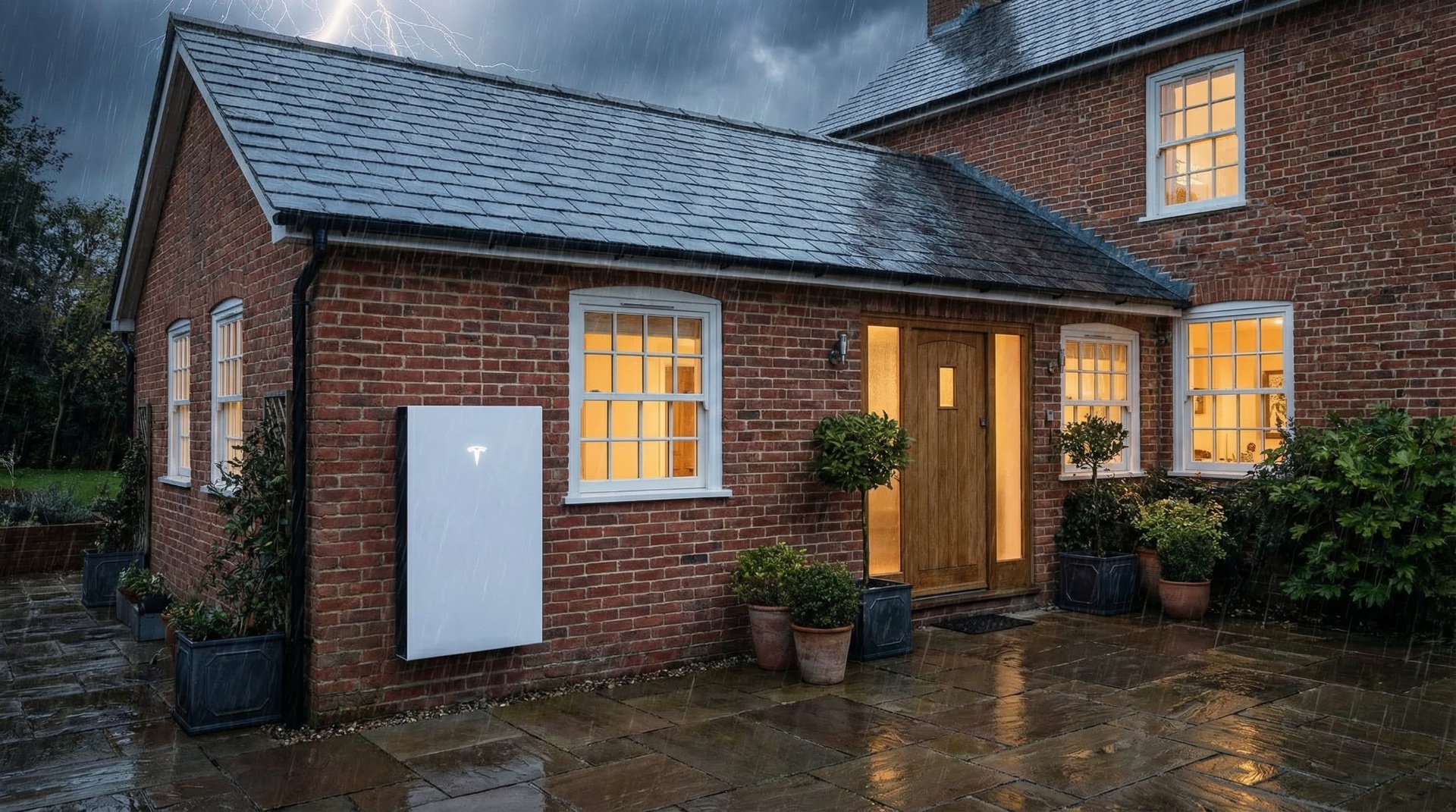
- 13.5 kWh (e.g. Tesla Powerwall): £8,000–£9,500 (premium all-in-one with backup)
- Adding a battery during a new solar install typically costs £1,000–£2,000 less than retrofitting
What affects battery cost
No two quotes are the same. These are the main factors that move the price up or down:
- Capacity (kWh) — the single biggest cost driver. More storage = higher cost, but also more savings
- Brand and chemistry — lithium iron phosphate (LFP) batteries like GivEnergy are typically cheaper and longer-lasting than NMC alternatives
- Inverter type — a hybrid inverter handles both solar and battery, and costs less than separate units. Retrofits with an existing inverter may need an AC-coupled battery or inverter upgrade
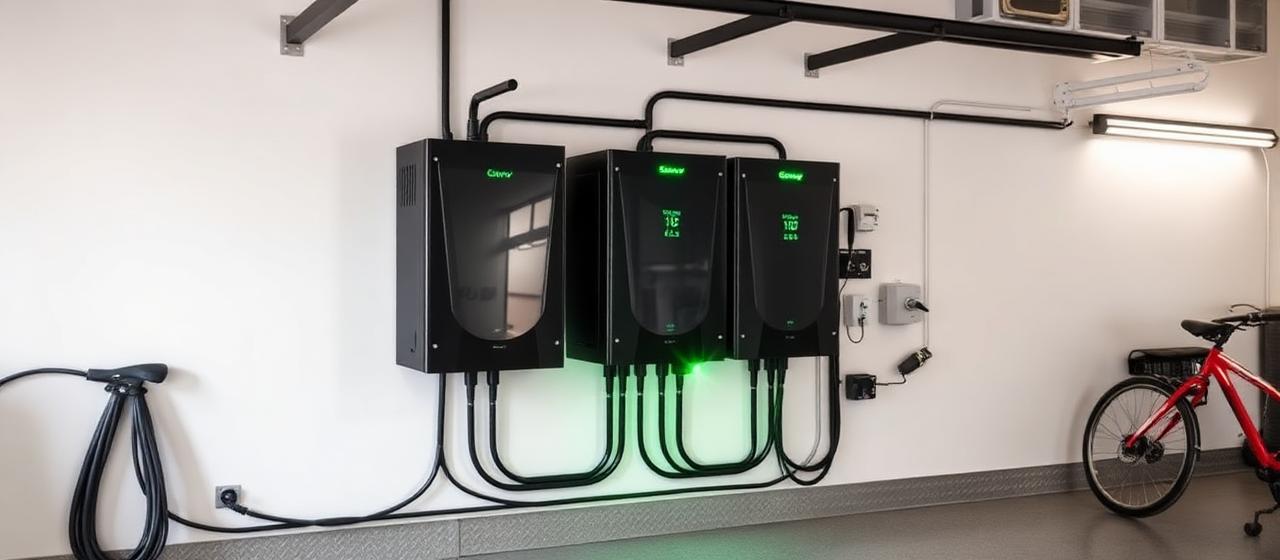
- Installation complexity — ground-floor utility cupboard is straightforward; loft, garage, or outdoor enclosure adds labour
- Number of batteries — modular systems (e.g. Pylontech, GivEnergy) let you stack units, but each extra module adds cost
- Electrical upgrades — older consumer units or G98/G99 applications can add £200–£600
Payback: how long until a battery pays for itself?
Battery payback depends on how much grid electricity you avoid buying (self-consumption), what you'd otherwise pay for it (your tariff rate), and any income from exporting stored energy.
For most homes with solar panels, a well-sized battery pays back in 5–8 years. Homes on smart tariffs that charge overnight at 7–10p and discharge during 24–28p peak hours can see payback in as little as 4–5 years.
- Self-consumption boost: a battery lifts solar self-use from ~35% to 70–90%, saving 4–7 kWh per day of grid electricity
- Tariff arbitrage: charging at 7p and using at 28p saves ~21p per kWh — over 3,000 cycles that adds up fast
- SEG export income: batteries let you time exports to higher-paying slots on agile tariffs (up to 15–30p/kWh)
- Avoid standing charge waste: stored energy offsets fixed daily charges more effectively
Is a battery worth it without solar panels?
Yes — but the payback is slower. Without solar panels, a battery earns its keep purely through tariff arbitrage: charging from the grid overnight at cheap rates (7–10p/kWh on tariffs like Octopus Go) and discharging during expensive peak hours (24–28p/kWh).
A 10 kWh battery doing this daily could save £400–£700 per year, giving a payback of 7–12 years depending on the purchase price. That's viable but less compelling than the 5–8 year payback when paired with solar.
If you're planning to add solar later, buying a hybrid inverter now avoids paying for a second inverter down the line — ask us about future-proofing your setup.
Common battery cost questions
We hear these questions regularly — here are straightforward answers:
- VAT: 0% on all home battery installations (whether standalone or with solar) until at least March 2027
- Warranties: most batteries carry a 10–12 year manufacturer warranty, guaranteeing 60–80% capacity retention
- Maintenance: batteries are virtually maintenance-free — no moving parts, no servicing schedule. Your installer should check connections at annual solar service visits
- Lifespan: expect 6,000–10,000 charge cycles, equating to 15–25+ years of daily use
- Grants: batteries alone don't qualify for BUS or ECO4 grants, but they're often included in funded solar-plus-battery packages through local authority schemes
Ready to get started?
Get a free, no-obligation quote from our team. We'll help you find the best solution for your home.